A different rhythm
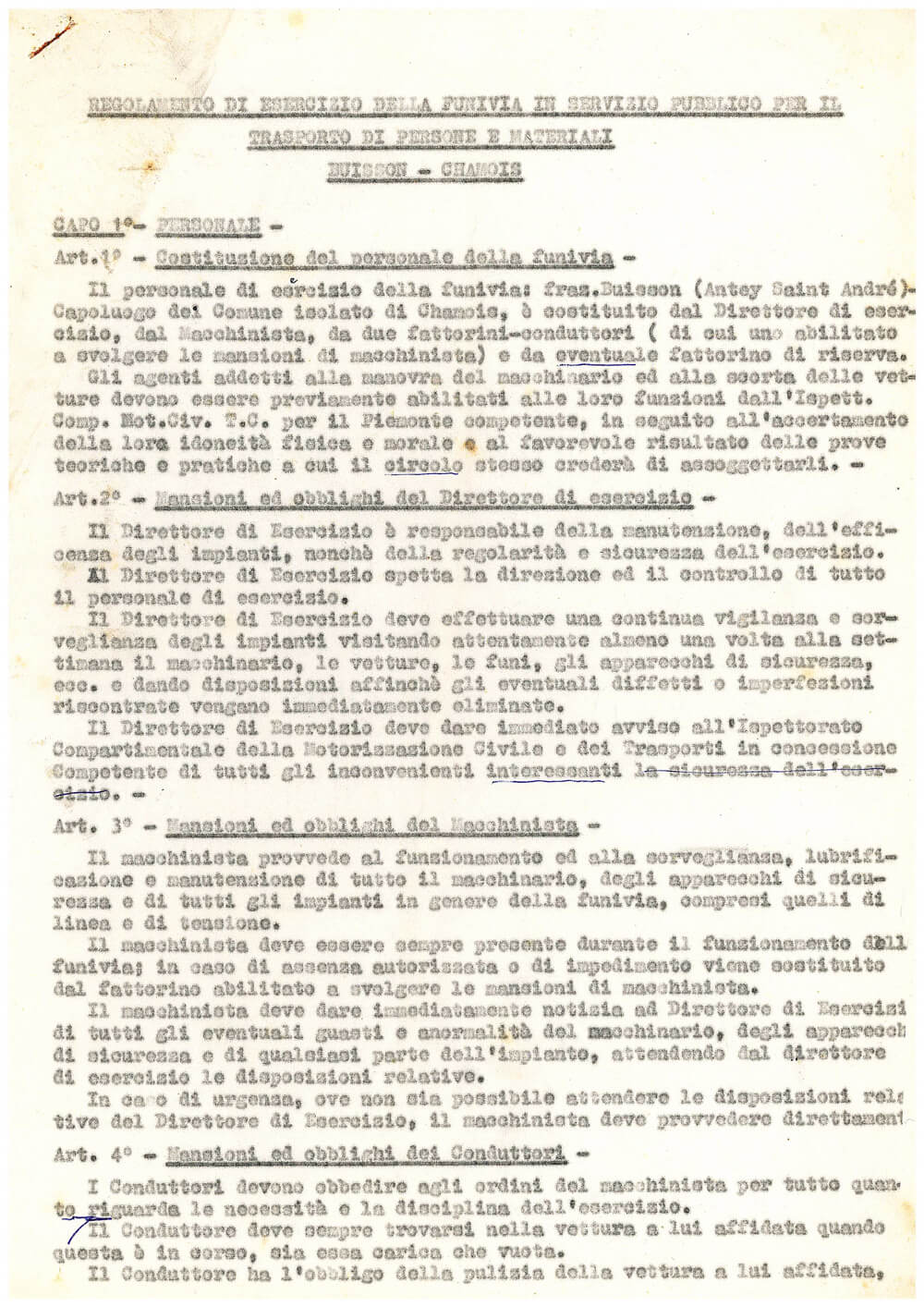
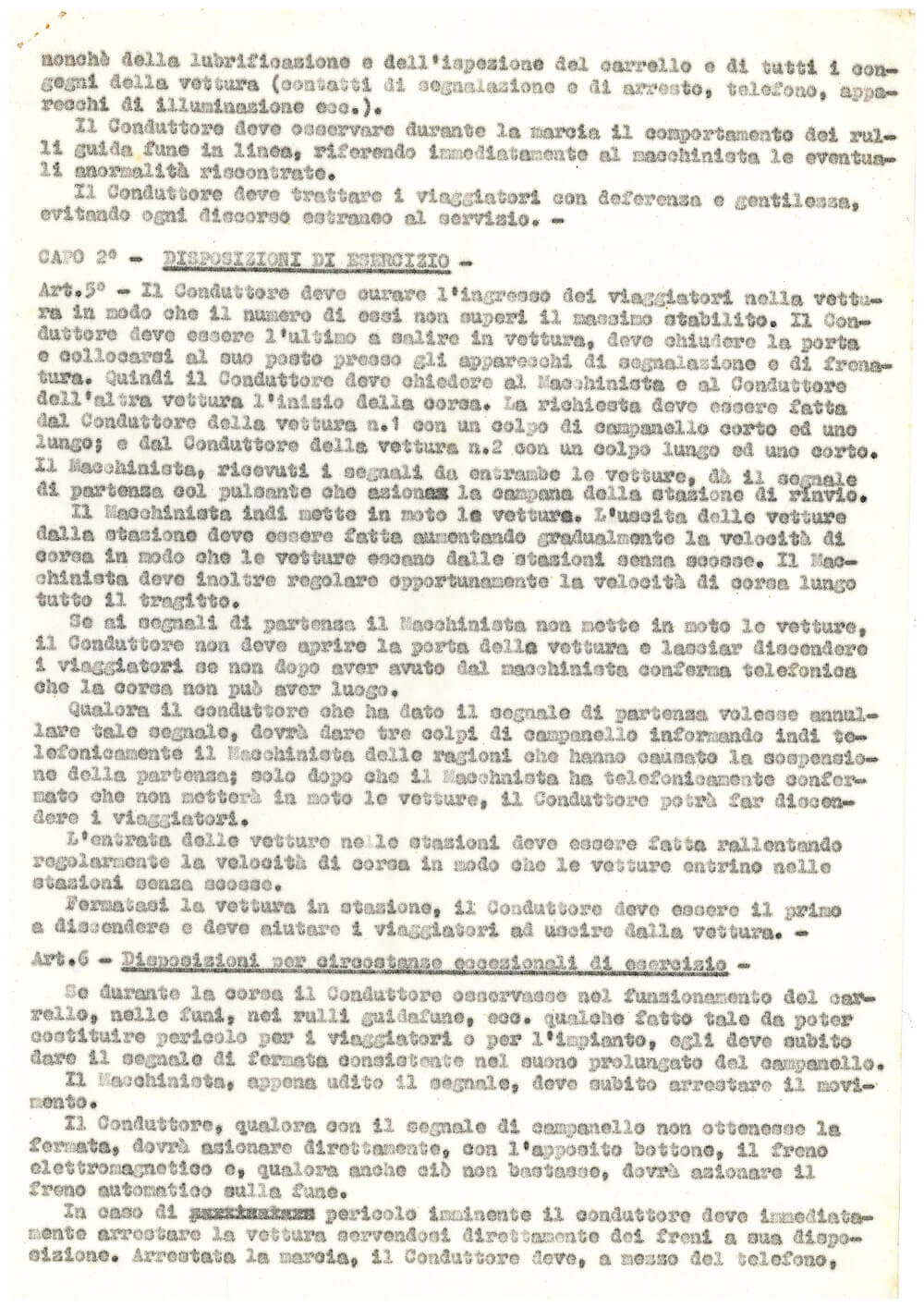
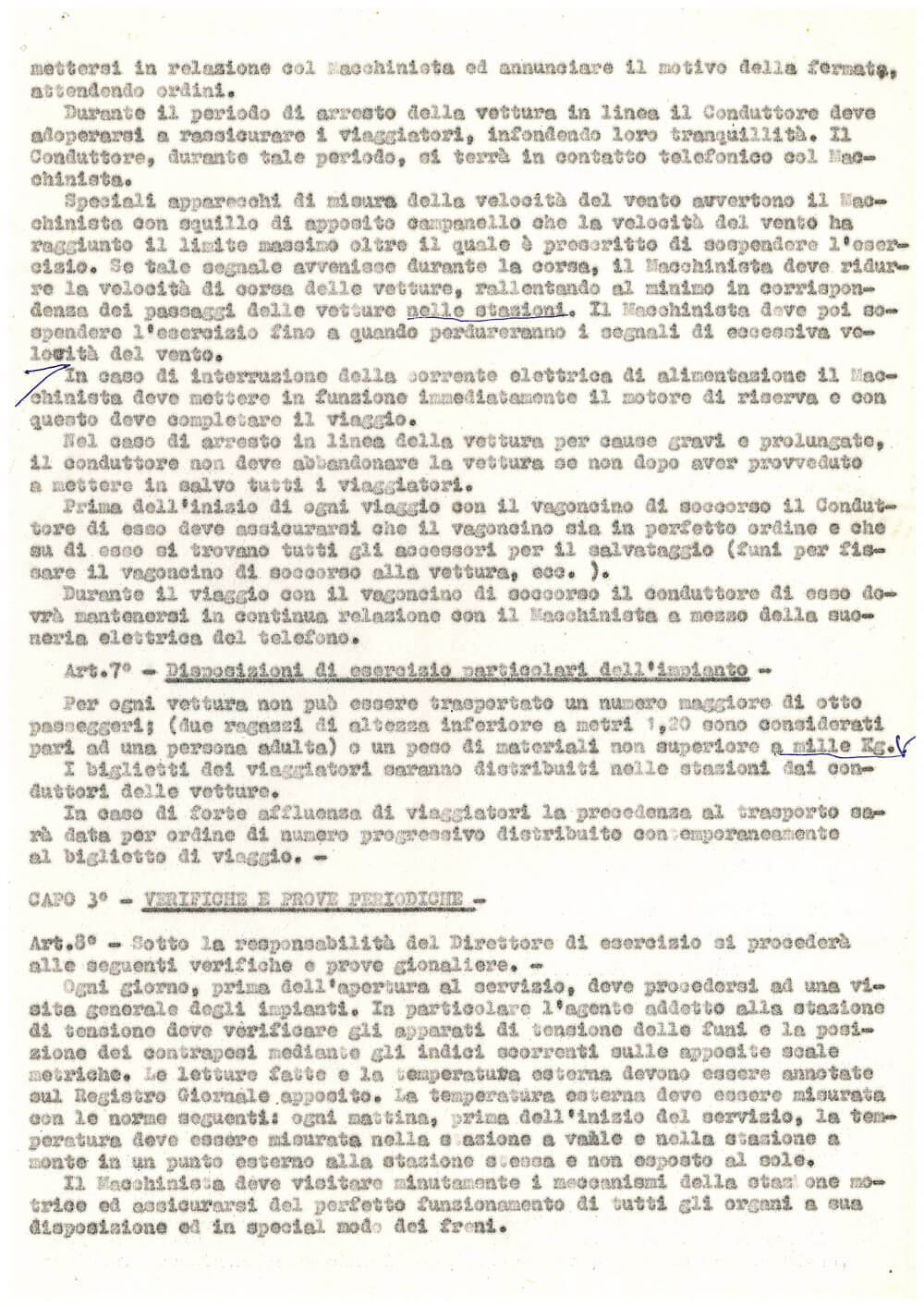
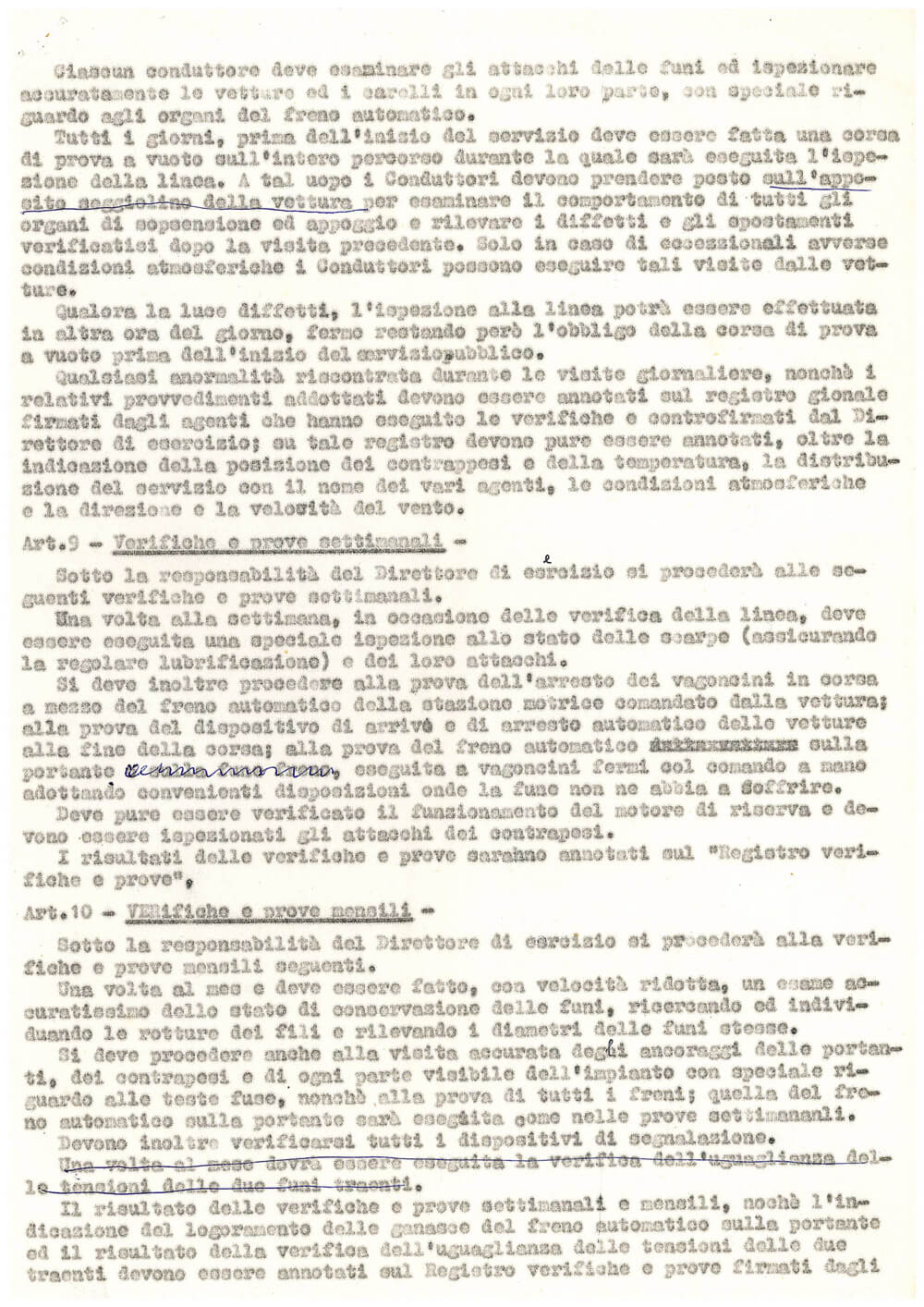
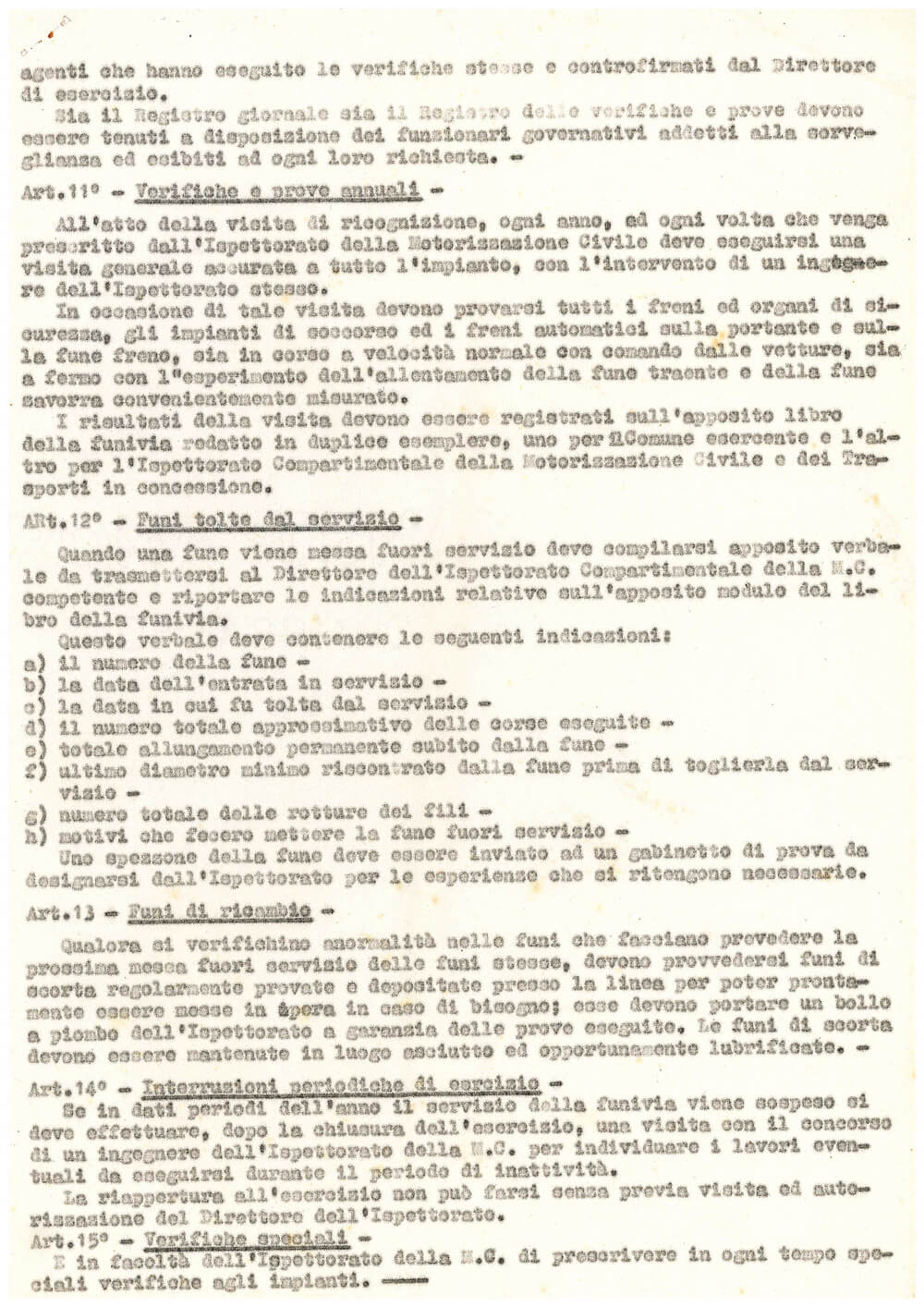
The arrival of the cable car in 1955 was not just a technical milestone; it was the beginning of a social metamorphosis. Suddenly, time was no longer measured in grueling hairpin turns and hours of walking. Daily life accelerated, yet its core identity remained intact. Groceries and errands in Buisson, previously planned with rigid “corvées” and weekly shifts among the village women, became simple acts, integrated into a new freedom of movement.
This “new rhythm” radically changed the local economy. While the village once had to be almost entirely self-sufficient to survive, the constant connection allowed for a more fluid exchange of goods. New materials and diverse merchandise arrived, marked by the opening of the first historic modern bazaar in 1955, and the subsistence economy gave way to a burgeoning tourism industry.
The most profound revolution, however, concerned safety. Previously, a medical emergency or a difficult childbirth required exhausting rescues by hand, with patients carried on shoulders in stretchers warmed by hot water bottles. The cable car finally guaranteed the certainty of aid. It became the essential link that allowed a doctor to reach the village at any moment or enabled residents to work in the valley without having to abandon their homes.
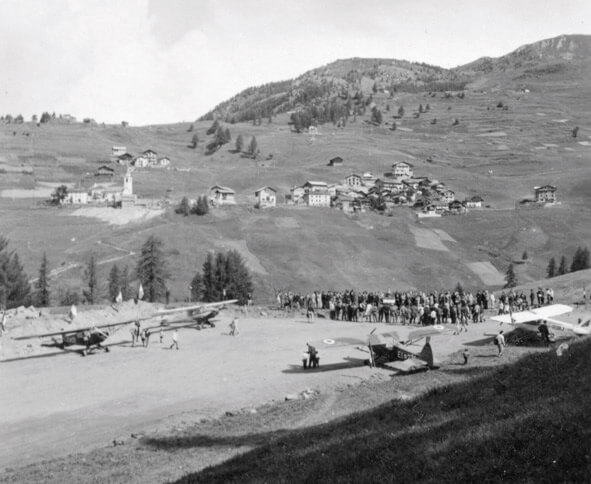
This dedication to the “path through the air” was further developed in 1967 with the inauguration of the Chamois Altiport, which was the first certified altiport in Italy. Situated at an altitude of nearly 2000 meters, it became not only a tourist attraction but, more importantly, a vital hub for emergencies and civil protection.
Chamois thus ceased to be an isolated hamlet and became an open community, capable of embracing progress without sacrificing its silence.
Un ritmo diverso
L’arrivo della funivia nel 1955 non fu solo un traguardo tecnico, ma l’inizio di una metamorfosi sociale. Improvvisamente, il tempo smise di essere misurato in faticosi tornanti e ore di cammino. La vita quotidiana accelerò, pur mantenendo intatta la propria identità. La spesa e le commissioni a Buisson, prima pianificate con rigide “corvées” e turni settimanali tra le donne del paese, divennero gesti semplici, integrati in una nuova libertà di movimento.
Questo “nuovo ritmo” cambiò radicalmente l’economia locale. Se prima il paese doveva essere quasi del tutto autosufficiente per sopravvivere, il collegamento costante permise scambi più fluidi: arrivarono nuovi materiali e merci diverse, come testimoniato dall’apertura nel 1955 del primo storico bazar moderno, e l’economia di sussistenza lasciò il passo alla vocazione turistica.
La rivoluzione più profonda riguardò però la sicurezza. Se prima un’emergenza medica o un parto difficile richiedevano faticosi soccorsi a braccia, con i pazienti trasportati a spalla in barelle riscaldate da bottiglie d’acqua calda, la funivia garantì finalmente la certezza del soccorso. La funivia divenne il legame essenziale che permetteva al medico di salire in quota in ogni momento o agli abitanti di lavorare a valle senza dover abbandonare le proprie case.
Questa vocazione per la “via dell’aria” trovò ulteriore sviluppo nel 1967 con l’inaugurazione dell’Altiporto di Chamois, il primo omologato in Italia, a quasi 2000 metri di altitudine, che divenne non solo un’attrazione turistica ma soprattutto un fondamentale presidio per le emergenze e la protezione civile.
Chamois smise così di essere un borgo isolato per diventare una comunità aperta, capace di accogliere il progresso senza rinunciare al silenzio.
Un rythme différent
L’arrivée du téléphérique en 1955 ne marqua pas seulement un exploit technique, mais aussi le début d’une métamorphose sociale. Soudainement, le temps cessa d’être mesuré en tournants escarpés et heures de marche pénible. La vie quotidienne accéléra, tout en gardant intacte son identité. Les courses et les achats à Buisson, qui, autrefois, étaient planifiés selon des corvées très strictes et des déplacements hebdomadaires assurés à tour de rôle par les femmes du pays, devinrent des gestes simples, intégrés dans une nouvelle liberté de mouvement.
Ce nouveau rythme changea radicalement l’économie locale. Si auparavant la communauté devait être presque complètement autosuffisante pour survivre, la liaison régulière du téléphérique permit des échanges plus fluides : des matériels nouveaux, des marchandises assorties arrivèrent, favorisant l’ouverture en 1955 du premier bazar historique… et l’économie de subsistance céda ainsi le pas à la vocation touristique.
La révolution la plus profonde, toutefois, concerna la sécurité. Par le passé, une émergence médicale ou un accouchement difficile exigeaient des secours épuisants à bras, les patients étant transportés sur les épaules, dans des brancards réchauffés par des bouteilles d’eau chaude. Le téléphérique put garantir, enfin, la certitude du secours et devenir la liaison essentielle permettant au médecin de monter là-haut à tout instant. Il permit aussi aux habitants de travailler dans la vallée sans être obligés d’abandonner leurs maisons.
Cette vocation pour «la voie de l’air» trouva une évolution ultérieure en 1967 avec l’inauguration de l’Altiport de Chamois, le premier homologué en Italie, à presque 2000 m d’altitude, qui devint non seulement une attraction touristique, mais surtout un atout fondamental pour les émergences et la protection civile.
Chamois cessa d’être un îlot écarté pour devenir une communauté ouverte, capable d’accueillir le progrès sans renoncer au silence.
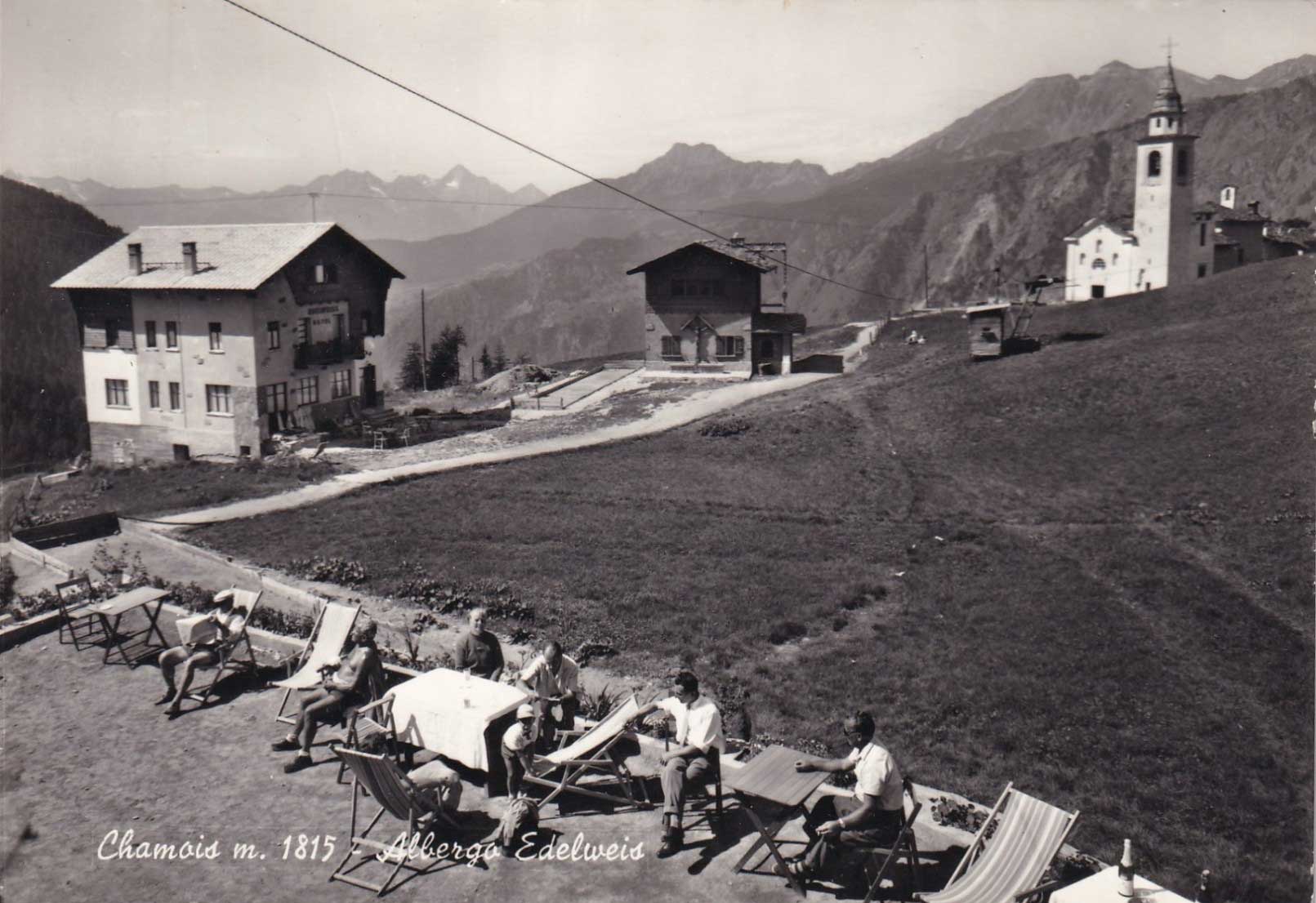
IL PANE per gentile concessione dell’associazione Insieme A Chamois
“Cable car therefore means the certainty of reaching Chamois at all times, in any weather and in any season. Cable car means never being isolated from the world.”
Piero Venesia
“Chamois”, Baima – Ronchetti, 2015 ed., p. 73
“Funivia vuol dire perciò certezza di raggiungere Chamois sempre, con qualsiasi tempo e in qualsiasi stagione.
Funivia vuol dire non essere mai isolati dal mondo.”
Piero Venesia
“Chamois”, Baima – Ronchetti, ed. 2015, pag. 73
« Téléphérique signifie certitude d’atteindre Chamois à tout moment, par n’importe quelle météo et dans n’importe quelle saison. Téléphérique signifie ne jamais être isolés du monde.»
Piero Venesia
“Chamois”, Baima – Ronchetti, 2e éd. 2015, p. 73